

Many people have concerns about egg donation, worrying that it might lead to early menopause. In fact, this is a common misconception. Women naturally lose many eggs every month — even if they don’t donate, those eggs are eliminated by the body.
Curious about the requirements, procedure, potential risks or side effects, and pre- and post-donation care involved in egg donation? This article will guide you through everything you need to know, helping you make an informed and confident decision about whether egg donation is right for you.
Is it true that egg donation can deplete all your eggs, leading to early menopause?
The claim that egg donation “uses up all your eggs” and causes early menopause is actually a myth!
Scientific research and professional medical organizations have confirmed that egg donation does not deplete the eggs you would naturally use. Most of the follicles stimulated during the egg retrieval process would have naturally degenerated in your menstrual cycle anyway. In other words, donating eggs does not affect your long-term egg reserve.
- By the numbers:
By the time you reach puberty, you already have around 300,000–500,000 eggs, but only about 400–500 of them will ever mature and be released during your lifetime. The rest — tens of thousands of follicles — naturally degenerate every month, whether you donate eggs or not.Medical mechanism:
Fertility medications used during egg donation simply help mature the follicles that would have naturally died off in that cycle. They do not prematurely deplete your ovarian reserve. Tests measuring AMH (anti-Müllerian hormone) levels also confirm that egg donation does not cause a rapid decline in fertility potential.Clinical consensus:
Major reproductive medicine institutions — including the American Society for Reproductive Medicine (ASRM), the Texas Fertility Center, and Johns Hopkins Hospital — all report no scientific evidence that egg donation leads to early menopause or premature ovarian failure.
Conclusion:
Egg donation does not “use up” all your eggs, nor does it cause you to enter menopause earlier than other women. The gradual loss of eggs is simply a natural part of aging, and donating eggs does not accelerate this process. If you have concerns, the best approach is to consult a trusted fertility clinic and monitor your ovarian health through blood tests and ultrasound evaluations.
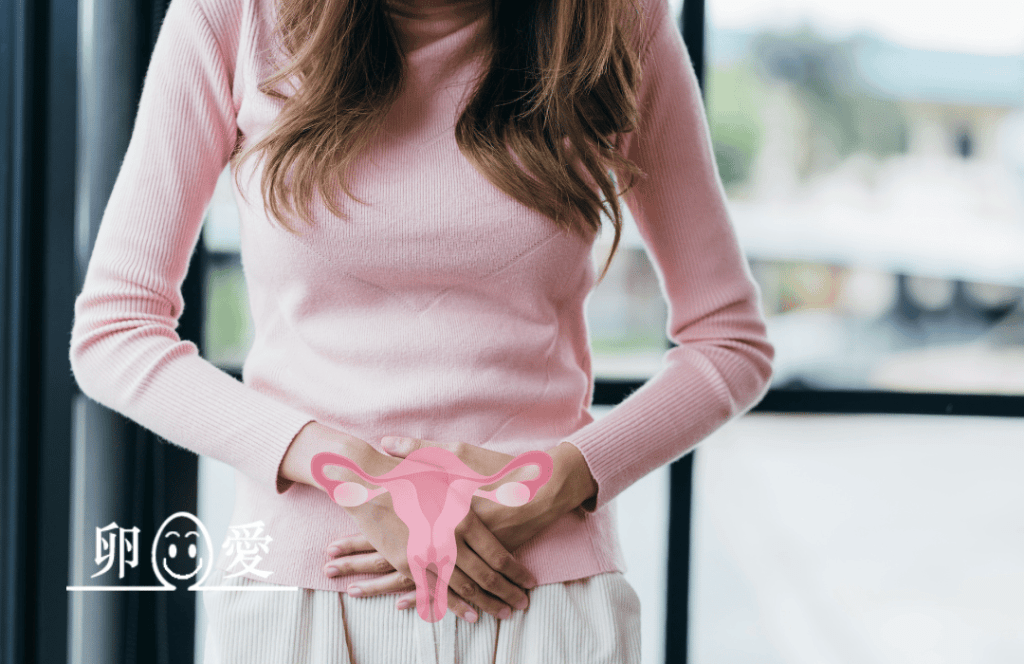
Did you know? Women naturally lose eggs every month — donating eggs doesn’t actually make you lose any extra!
Many people believe that donating eggs can “use up” their egg supply or even cause early menopause — but in reality, the body has its own natural mechanisms to regulate this process.
In this article, we’ll break down the facts from three key angles:
1️⃣ How many eggs women actually have?
2️⃣ What really causes menopause?
3️⃣ How the body functions after egg donation?
Let’s clear up the myths once and for all.
How many eggs does a woman have in her lifetime?
A woman is born with all the egg follicles she will ever have — about 1 to 2 million at birth, which naturally declines to around 300,000 to 500,000 by puberty. Each month, several follicles begin to grow, but usually only one fully matures and is released during ovulation. The rest that aren’t selected will naturally degenerate and be reabsorbed by the body.
In other words, only about 400–500 eggs are ever actually ovulated in a woman’s lifetime — the rest are lost naturally, regardless of whether she donates eggs or not.
What exactly is menopause? Understanding how it relates to a woman’s egg reserve.
Menopause is defined as the natural cessation of menstruation for 12 consecutive months, typically occurring between the ages of 45 and 55, with the average around 51–52 years old. This happens because the body’s egg reserve gradually declines, leading to lower estrogen levels and reduced ovarian function — not because of egg donation.
While factors such as stress, smoking, or autoimmune conditions can influence the timing, menopause is fundamentally a natural part of aging.
In other words, menopause occurs when the egg reserve is naturally depleted — it doesn’t arrive earlier just because someone has donated eggs a few times.
Medical studies have shown that egg donation does not cause early menopause.
Extensive research has shown that AMH (Anti-Müllerian Hormone) levels do not significantly decrease after egg donation, indicating that the ovarian reserve is not prematurely depleted. Leading U.S. fertility centers such as CCRM and Texas Fertility Center have also confirmed that there is no scientific evidence suggesting egg donation causes early menopause.
The eggs retrieved during the process come from follicles that would have naturally degenerated that month, meaning the procedure does not reduce the total number of usable eggs or accelerate biological aging.
In short, egg donation works in harmony with the body’s natural follicle cycle — it does not shorten the ovary’s “lifespan.”
Further Reading:[Must-Read Before U.S. Egg Donation]Will there be any side effects after donating eggs?Does egg donation hurt?

What are the risks and side effects of egg donation?
Here’s what medical experts say to help you feel at ease.
For many young women considering egg donation, the biggest concern is often the potential risks involved. At EggLove, we completely understand your worries.
While egg donation is a meaningful and compassionate act, it still involves medical procedures — so it’s important to be fully informed about what to expect.
In the following sections, we’ll break down the possible risks and side effects based on each stage of the medical process, helping you evaluate with confidence whether egg donation is right for you and embark on this life-changing journey with peace of mind.
At which stages can the risks of egg donation occur?
To help you better understand the possible risks of egg donation, we’ve broken them down according to each stage of the process:
1. Initial Evaluation Stage
Includes blood tests, ultrasound scans, and reproductive health assessments.
Risk reminder: Risks at this stage are extremely low. It’s important to disclose your full medical and allergy history to prevent any adverse reactions to medication later on.
2. Ovulation Stimulation and Monitoring
For about 10–12 days, you’ll receive daily hormone injections to stimulate egg growth, with regular checkups to monitor follicle development.
Risk reminder: You may experience mild redness or swelling at the injection site, bloating, or mood swings. A small number of women may develop Ovarian Hyperstimulation Syndrome (OHSS).
3. Egg Retrieval Procedure
The egg retrieval is performed under vaginal ultrasound guidance, using a fine needle to collect mature follicles. The procedure takes about 20–40 minutes.
Risk reminder: Risks are very low, but minor bleeding, infection, or ovarian torsion can occur. Short-acting anesthesia is used, and a few people may have mild reactions to it.
4. Post-Procedure Care and Observation
Most donors can go home the same day and rest. Some may feel mild abdominal discomfort or fatigue.
Risk reminder: Contact your doctor immediately if you experience severe abdominal pain, persistent bloating, or heavy vaginal bleeding after the procedure.
Side Effect: Ovarian Hyperstimulation Syndrome (OHSS)
To increase the chances of successful egg retrieval, donors are given ovulation stimulation injections to encourage the ovaries to produce multiple eggs. However, these injections may cause some temporary side effects, such as:
- Injection site discomfort: Mild redness, pain, or allergic reactions may occur where the injections are given.
- Temporary physical discomfort: Some women may experience headaches, bloating, nausea, or fatigue, but these symptoms are usually mild and short-lived.
- Mood changes: Hormonal fluctuations can sometimes affect emotions, leading to greater mood swings.
One of the more serious potential side effects is Ovarian Hyperstimulation Syndrome (OHSS), which occurs in about 1–5% of cases. This condition happens when the ovary becomes enlarged and fluid leaks into the abdominal cavity due to increased blood vessel permeability.
Symptoms of OHSS may include abdominal bloating or pain, nausea, vomiting, shortness of breath, and rapid weight gain. Most cases are mild and can be relieved by drinking plenty of fluids, eating a high-protein diet, and avoiding strenuous activity. However, in severe cases, hospitalization may be required for close monitoring and treatment.
With careful medical supervision and personalized hormone dosing, the likelihood of developing severe OHSS remains very low.
Further Reading:What Is Ovarian Hyperstimulation Syndrome (OHSS)? How Can Egg Donors Prevent It?
Side Effect: Discomfort After the Egg Retrieval Procedure
Side Effect: Discomfort or Complications From the Egg Retrieval Procedure
Egg retrieval is a minimally invasive vaginal procedure. Although the overall risk is low, there are still a few potential complications to be aware of:
- Bleeding: During the procedure, small blood vessels may be punctured, leading to light bleeding that usually stops on its own.
- Infection: Rarely, if surgical instruments are not fully sterilized, infection may occur — though this risk is extremely low in certified fertility clinics.
- Anesthesia risks: The procedure is typically performed under short general anesthesia. In very rare cases, allergic reactions or temporary breathing suppression may occur.
- Ovarian torsion: In uncommon situations, stimulated ovaries may become enlarged and twist, causing severe abdominal pain that requires emergency treatment.
Important reminder: While egg donation does carry some risks, choosing a qualified reproductive medicine center and following your doctor’s instructions can significantly reduce discomfort and complications. Doctors will carefully evaluate your health before the procedure, maintain strict sterile techniques during surgery, and provide thorough post-operative care.
Donors should also inform their medical team about any medical conditions or allergies, and monitor their body closely afterward. If you experience persistent bloating, severe pain, or abnormal bleeding, seek medical attention immediately.
If you’re considering egg donation and have any questions about the process or how your body might respond, feel free to reach out to the【Global Egg Donor】 professional team. We’re here to help you understand everything clearly and guide you through each step with confidence and care.
Egg Donation Requirements and Step-by-Step Process — Find Out If It’s Right for You!
Many women are motivated by compassion and the desire to help others through egg donation. However, before making this meaningful decision, it’s important to first understand whether you meet the necessary eligibility requirements.
Below, we’ve outlined the detailed qualifications and step-by-step process to help you evaluate whether egg donation is the right choice for you.
Basic Requirements for Egg Donation
- Basic Requirements for Egg Donation
- Age Range:
In Taiwan, egg donors are typically required to be between 18 and 40 years old, as this age range offers the best egg quality and higher success rates for implantation and pregnancy.
In the United States, most fertility clinics accept donors aged 20 to 30, and some only accept first-time donors under 25. - Good Physical and Mental Health:
Donors must be free from major illnesses or infectious diseases and must pass a comprehensive medical and psychological evaluation to ensure they are fit for the procedure. - Healthy Lifestyle:
Smoking, excessive drinking, or drug use can affect egg quality. Therefore, donors must maintain a stable and healthy lifestyle. - No Family History of Genetic Disorders:
Individuals with hereditary conditions such as thalassemia or genetic epilepsy may be disqualified, as these conditions can increase the risk of passing on genetic diseases to recipients’ offspring. - Normal BMI (Body Mass Index):
Maintaining a healthy BMI is essential, as being significantly underweight or overweight may affect ovulation response and surgical safety during egg retrieval.
- Age Range:

Detailed Medical Examinations for Egg Donors
Before officially beginning the egg donation process, the first and most important step is to undergo a comprehensive health evaluation. This assessment not only protects the recipient’s safety, but also ensures the donor’s own well-being throughout the procedure. The full screening process usually takes place during the first one to two weeks and covers physical, psychological, and genetic aspects.
🩺 Physical Examination
Includes basic health measurements such as height, weight, blood pressure, and heart rate, as well as general assessments by internal medicine, surgery, and gynecology specialists.
🩸 Blood Tests
Checks complete blood count, liver and kidney function, blood sugar, cholesterol, and thyroid function to evaluate the donor’s overall health status.
🧫 Infectious Disease Screening
Tests for HIV, syphilis, hepatitis B, and hepatitis C, ensuring the procedure poses no risk to the recipient’s health.
🧬 Genetic Screening
Screens for common hereditary conditions, such as thalassemia and chromosomal abnormalities (e.g., Down syndrome), to reduce the risk of passing on genetic diseases.
🩻 Gynecological Examination
Involves transvaginal ultrasound to assess the health and structure of the ovaries and uterus, and to estimate the ovarian reserve.
💬 Psychological Evaluation
Conducted through questionnaires or interviews to assess the donor’s mental readiness, emotional stability, and understanding of the egg donation process, risks, and responsibilities.
Egg Donation Process: Step-by-Step Guide
From initial screening and health assessments to ovarian stimulation and egg retrieval, the entire egg donation journey can take several weeks to a few months. Below is a clear, step-by-step breakdown to help you understand the process and move forward with confidence.
Step 1: Initial Consultation and Matching
You’ll begin by filling out a personal profile through a licensed agency or fertility clinic, followed by an online or in-person preliminary evaluation to confirm eligibility.
Once approved, the clinic will proceed with matching and schedule your next phase of testing and coordination.
Step 2: Detailed Medical Testing and Compatibility Screening
Comprehensive blood, infectious disease, and genetic screenings will be conducted, along with a gynecological ultrasound and psychological assessment.
If all results are normal, your cycle will be synchronized with the intended recipient to prepare for egg stimulation.
Step 3: Cycle Synchronization and Ovulation Stimulation
Birth control pills or hormone therapy may be used to align your menstrual cycle with the recipient’s.
You’ll then begin 10–14 days of daily FSH (follicle-stimulating hormone) injections, with ultrasound and blood tests performed regularly to monitor follicle development.
Step 4: Egg Retrieval Procedure
When your follicles reach maturity, a trigger shot (hCG or similar medication) will be administered, and 36 hours later, the eggs will be retrieved using ultrasound-guided aspiration.
The procedure lasts about 20–40 minutes under light sedation or general anesthesia, followed by 1–2 hours of observation before discharge.
Step 5: Post-Procedure Recovery and Follow-Up
Most donors can return to normal activities within one to two days, but should avoid intense exercise and overexertion.
A follow-up appointment will confirm your recovery status, typically concluding within one week after the procedure.
Common Reasons You May Not Qualify for Egg Donation
Women Who Are Not Suitable for Egg Donation
Certain medical or health conditions may make egg donation unsafe or medically unsuitable. Women with the following conditions are generally not eligible to donate eggs:
-
Serious chronic illnesses: such as heart disease, kidney disease, diabetes, or cancer.
-
Infectious diseases: including HIV, syphilis, hepatitis B, or hepatitis C.
-
History of mental health disorders: such as depression, bipolar disorder, or schizophrenia.
-
Ovarian dysfunction: including premature ovarian insufficiency (POI) or polycystic ovary syndrome (PCOS) that affects normal ovulation.
-
Uterine abnormalities: such as uterine fibroids or endometriosis, which may interfere with reproductive health.
Further Reading:Taiwan vs. U.S. Egg Donation: How Many Times Can You Donate, What’s the Compensation, and Which Institutions Are Recommended?

Does Egg Donation Harm the Body? Pre- and Post-Procedure Care Tips to Minimize Discomfort
Although egg donation is a medical procedure, it doesn’t necessarily mean it will harm your body. Most women experience only mild, manageable side effects afterward — such as bloating, fatigue, or mild lower abdominal pain — all of which are common and temporary reactions.
With proper preparation before the procedure and careful post-donation recovery, you can effectively reduce discomfort and lower the risk of complications, allowing your body to recover smoothly and safely.
Pre-Procedure Care Tips for Egg Donors
Following your doctor’s instructions carefully before the procedure can greatly improve your comfort, safety, and egg quality. Here are the key points to keep in mind:
💊 1. Follow Medication and Dietary Instructions
Before egg retrieval, you’ll need to take prescribed medications such as birth control pills or hormonal regulators according to your doctor’s schedule.
You must also avoid eating or drinking for at least 8 hours prior to the procedure to ensure anesthesia safety.
🚫 2. Stop Medications That Affect Blood Clotting or Drug Interactions
Certain medications — including aspirin, anti-inflammatory drugs, herbal remedies, or sleeping pills — can interfere with the procedure or anesthesia. Always inform your doctor about any medication you’re taking and follow instructions to pause them when advised.
🥗 3. Maintain a Healthy Lifestyle and Balanced Diet
At least three months before the procedure, focus on improving your diet and daily routine.
- Eat high-protein meals and plenty of fruits and vegetables.
- Avoid alcohol and caffeinated beverages.
These habits support better egg quality and physical resilience during the process.
📘 4. Stay Informed About the Procedure and Risks
Understand each stage of the donation journey — including injection schedules, possible side effects, and emergency protocols.
If you have any concerns or experience unusual reactions (such as poor or excessive response to ovulation medication), contact your medical team immediately so they can adjust your treatment plan in time.
Post-Procedure Rest and Activity Guidelines
Proper rest and moderate activity after egg retrieval are essential for a smooth and comfortable recovery. Here’s how to take care of your body during this period:
🛌 1. Get Plenty of Rest
After donating eggs, your body needs time to recover. It’s recommended to rest for at least 1–2 days and avoid strenuous exercise or heavy lifting. Giving your body adequate time to heal helps reduce discomfort and support faster recovery.
🚶♀️ 2. Stay Lightly Active
While rest is important, lying down for too long can slow blood circulation. Once you feel ready, gentle activities such as short walks can help improve circulation, support metabolism, and speed up your body’s return to normal.
❤️ 3. Avoid Sexual Intercourse
It’s advised to avoid sexual activity for at least two weeks after the procedure. This allows your uterus and reproductive system to fully recover and reduces the risk of infection or complications.
Post-Procedure Nutrition Tips
A balanced and nourishing diet after egg donation can help your body recover faster, stabilize hormone levels, and reduce discomfort. Here’s what to focus on:
🍳 1. High-Protein Diet
After egg retrieval, your body needs extra nutrients — especially protein — to repair and recover.
Include foods such as eggs, fish, lean meat, tofu, soy products, and beans to support ovarian recovery and overall strength.
🌶️ 2. Avoid Irritating Foods
Refrain from consuming spicy, greasy, or raw and cold foods, as they can irritate your digestive system and worsen bloating or nausea. Stick to light, easily digestible meals for a few days post-procedure.
💧 3. Stay Hydrated
Drink 2,000–3,000 ml of water daily to promote metabolism and reduce the risk of Ovarian Hyperstimulation Syndrome (OHSS).
You can include plain water, fresh juices, or mild soups to keep fluids balanced and digestion smooth.
⚡ 4. Replenish Electrolytes
If you experience bloating, nausea, or fatigue, consider drinking beverages with electrolytes, such as sports drinks or oral rehydration solutions, to restore your body’s fluid and mineral balance.
Post-Procedure Medication Guidelines
Following your doctor’s medication instructions is essential for a safe and smooth recovery after egg donation.
💊 1. Take Prescribed Medications on Time
Your doctor may prescribe pain relievers or antibiotics to help reduce discomfort and prevent infection. Be sure to take all medications exactly as directed, even if symptoms seem mild.
⚠️ 2. Monitor for Unusual Symptoms
If you experience severe abdominal pain, fever, or abnormal vaginal bleeding, do not ignore these signs — they may indicate an infection or other complication.
Seek immediate medical attention and contact your fertility clinic or healthcare provider for further evaluation and treatment.
Emotional Well-Being After Egg Donation
Egg donation is a journey that requires courage, empathy, and emotional strength. It’s completely normal to experience mood swings or emotional fluctuations afterward. Maintaining a positive mindset and emotional balance can greatly support your body’s recovery. Here are some ways to help you adjust emotionally:
💬 1. Talk to Family and Friends
Share your feelings openly with people you trust. Their support, understanding, and encouragement can provide emotional comfort and help you process your experience.
🎧 2. Engage in Relaxing Activities
Take time to unwind with activities that calm your mind — listening to music, watching movies, journaling, or reading are great ways to release stress and refocus.
🧠 3. Seek Professional Help When Needed
If you experience persistent sadness, anxiety, or emotional distress that affects your daily life, don’t hesitate to seek support from a licensed counselor or therapist. Professional guidance can help you regain balance and peace of mind.
💖 Kind Reminder:
Before deciding to donate eggs, make sure you have a clear understanding of the process, risks, and pre- and post-care guidelines.
Egg donation doesn’t have to harm your body — as long as it’s done under professional medical supervision and with a full understanding of your own health condition.
A healthy body and a positive mindset are the foundation of a safe and empowering egg donation journey.
Egg Donation: Quick FAQ Guide
Q1: Does the egg donation process hurt? How long does the procedure take?
A1: During the preparation stage, you’ll need to take ovulation stimulation injections, which may cause mild stinging or bloating, but most donors tolerate them well.
The egg retrieval procedure itself is performed under anesthesia, so you won’t feel pain. It takes about 20–40 minutes, followed by 1–2 hours of observation before going home.
Q2: Will egg donation affect my menstrual cycle?
A2: Some donors experience temporary menstrual irregularities, but this is normal and resolves within 1–2 months. Hormone medications used during the process can briefly alter your cycle, but your body naturally returns to balance once the hormones wear off.
Q3: How many times can I donate eggs? How long should I wait between donations?
A3: According to the American Society for Reproductive Medicine (ASRM), a woman can donate up to six times in her lifetime, with at least a 2–3 month gap between each donation to allow the ovaries to recover.
However, under Taiwan’s Artificial Reproduction Act, women are generally allowed to donate only once. The exact frequency and timing should always be discussed and approved by your doctor to ensure safety.
Q4: How can I tell if egg donation has affected my ovarian reserve or caused early menopause?
A4: You can monitor your ovarian health by checking your AMH (Anti-Müllerian Hormone) level through a blood test.
If your AMH remains stable before and after donation, it means your ovarian function has not been significantly affected.
It’s recommended to have your AMH tested both before and after donation, so your doctor can track your recovery and give you peace of mind.
Fill Out the Form Now: Consult About [Global Egg Donor]
