

Whether you’re preparing for egg donation, undergoing assisted reproductive treatment, or trying to conceive naturally, you’ll likely encounter the term “ovulation injection.” It’s far more than just a simple shot — it’s a carefully tailored medical process that requires close coordination with your doctor, individualized evaluation, and precise timing based on your body’s needs.
This article will guide you step by step through the key concepts of ovulation injections. Whether it’s your first time hearing about them or you’ve already begun a treatment cycle, you’ll find clear, reassuring, and practical information here.
Most importantly, every woman deserves a treatment plan that fits her body and comfort level — because understanding what’s happening at each stage allows you to move through the journey with confidence and peace of mind.
Why do you need ovulation injections?
What are the types of ovulation injections and who are they suitable for?
Ovulation injections are commonly used for women who experience anovulation (no ovulation), irregular ovulation, or unexplained infertility. They are also prescribed for those preparing for intrauterine insemination (IUI), in-vitro fertilization (IVF), egg freezing, or egg donation stimulation cycles. The main purpose is to stimulate follicle maturation, trigger ovulation, and increase the chances of conception.
Before starting treatment, understanding why you need ovulation injections, the different types available, and whether they are suitable for you can help you feel more at ease and communicate better with your doctor — an important first step toward a successful pregnancy journey.
Why do women need ovulation injections?
Simply put, the purpose of ovulation injections is to increase the number of eggs and improve the chances of conception. Under natural conditions, a woman typically releases only one mature egg per month, but for women in the following situations, ovulation injections can provide essential support:
Ovulatory dysfunction:
For example, women with polycystic ovary syndrome (PCOS) often experience irregular or absent ovulation. Ovulation injections can help stimulate the ovaries to release eggs.
Unexplained infertility:
Some couples are unable to conceive even after all test results come back normal. In these cases, ovulation injections can help produce multiple eggs in one cycle, increasing the likelihood of natural conception.
Intrauterine insemination (IUI):
During IUI treatments, doctors may recommend combining ovulation injections to help multiple eggs mature, thereby increasing the chances of successful fertilization.
In-vitro fertilization (IVF):
For IVF, several mature eggs are needed for fertilization outside the body. Ovulation injections are a crucial part of the process, helping the ovaries produce enough eggs to improve embryo development and implantation success rates.
Egg freezing:
Many women choose to freeze their eggs to preserve fertility. Ovulation injections can help retrieve more eggs during an optimal ovarian function period, increasing future fertility options.
Egg donation:
In egg donation cycles, ovulation injections play an even more critical role. Short-term ovarian stimulation allows multiple eggs to mature at once, ensuring that egg retrieval can be completed safely and efficiently within a scheduled timeframe.
Types of Ovulation Injections (FSH ± LH)
Your doctor will choose the most suitable type of ovulation injection based on your physical condition, ovarian function, cause of infertility, and treatment plan.
By injection frequency:
- Short-acting ovulation injections:
Administered as daily subcutaneous injections to stimulate follicle growth. The dosage is adjusted by your doctor according to your response. These are usually injected into the lower abdomen or buttocks to avoid hard lumps. - Long-acting ovulation injections:
A single injection can last for about 6–7 days, reducing the number of injections needed. However, dosage adjustments are less flexible compared to short-acting types.
By hormone composition:
- Follicle-Stimulating Hormone (FSH):
Primarily stimulates follicle development and promotes egg maturation. - Luteinizing Hormone (LH):
Works alongside FSH to support egg maturation. For women with LH deficiency, adding LH may improve response and outcomes. - Human Chorionic Gonadotropin (hCG):
Typically administered after follicles mature to trigger the final release of the egg — often referred to as the “trigger shot.”
Who is suitable for ovulation injections?
Not everyone is a good candidate for ovulation injections. Below are the common indications and precautions:
Suitable candidates:
- Women with ovulatory dysfunction: Those who do not ovulate regularly or at all.
- Women with unexplained infertility: When no specific cause of infertility is identified after testing.
- Patients undergoing assisted reproduction: Such as intrauterine insemination (IUI) or in-vitro fertilization (IVF).
- Women planning for egg freezing: To retrieve multiple mature eggs in one cycle.
- Egg donors: Ovulation injections are necessary to stimulate the ovaries and produce multiple eggs for donation.
Precautions:
- Severe allergies: Those who are allergic to any component of the medication should not use ovulation injections.
- Certain medical conditions: Women with ovarian, uterine, or breast tumors may not be suitable candidates.
- Decreased ovarian function: For women with significantly reduced ovarian reserve, the response to stimulation may be limited.
- Polycystic ovary syndrome (PCOS): Patients with PCOS tend to respond more sensitively to ovulation injections, increasing the risk of ovarian hyperstimulation syndrome (OHSS). Close medical supervision is essential.
Before starting an ovulation stimulation treatment, always have a thorough consultation with your doctor. Be sure to provide detailed information about your medical history and physical condition so your doctor can assess whether ovulation injections are right for you and design the safest and most effective treatment plan.
Knowledge Extension: Why are ovulation stimulation injections necessary for egg donation?
Because the goal of egg donation is to retrieve multiple mature eggs in a single cycle for laboratory fertilization, ovulation stimulation is essential. The process typically begins early in the menstrual cycle and involves daily ovulation injections for about 10–14 days. Once multiple follicles have matured, a “trigger shot” is administered to induce ovulation, followed by egg retrieval.
The entire treatment process usually requires 3–4 clinic visits. For donors with limited time or those who prefer fewer injections, long-acting ovulation injections can be used to reduce the frequency and stress of treatment.
If you are preparing for egg donation or undergoing a fertility treatment, and have any concerns about ovulation injections, feel free to consult our professional team — we’re here to help you plan each step with confidence and peace of mind.
How are different ovulation injections administered? What’s the difference between an ovulation shot and a trigger shot?
Many women undergoing assisted reproduction or egg donation treatments often come across the term “ovulation injection.” However, the actual injection methods and purposes of different medications can still feel confusing — especially since ovulation injections and trigger shots sound similar but serve very different functions.
Don’t worry — the following section will clearly explain how ovulation injections are administered and break down the key differences between ovulation injections and trigger shots, helping you better understand each step of the treatment process.
Ovulation Injection Dosage
The dosage of ovulation injections is not about “the higher, the better.” It must be carefully customized by your doctor based on individual factors such as age, body condition, AMH level (an indicator of ovarian reserve), and previous treatment responses.
Key factors doctors consider when determining dosage include:
- Age and body weight
- Ovarian reserve (AMH and AFC values)
- Response to previous stimulation cycles
Typical dosage guidelines:
- The usual starting dose is around 100–150 IU per day, with 150 IU being common for women who respond normally.
- For women with low ovarian reserve, low AMH, or few antral follicles (AFC), the doctor may increase the dosage — sometimes up to 225 IU per day.
- For patients with polycystic ovary syndrome (PCOS) or those who tend to have a high ovarian response, the dosage may be reduced or switched to a long-acting formulation to minimize the risk of ovarian hyperstimulation syndrome (OHSS).
- Long-acting formulations are usually available in 100 µg (for body weight ≤ 60 kg) and 150 µg (for body weight > 60 kg) options.
Always discuss your dosage thoroughly with your doctor to determine the safest and most effective treatment plan for your body.
How to Administer Ovulation Injections
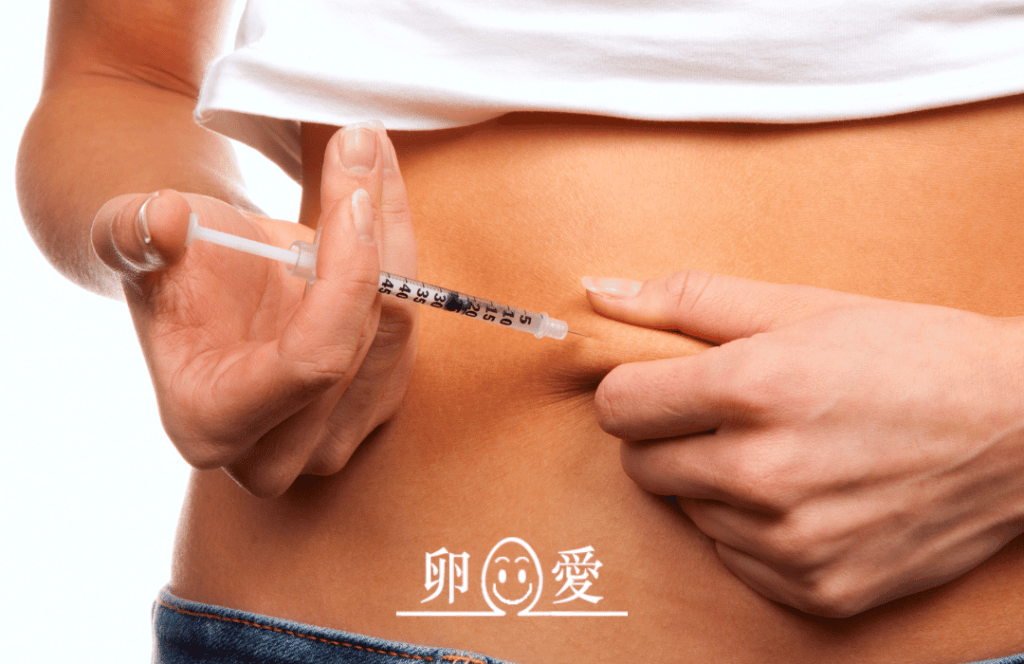
Ovulation injections are typically administered subcutaneously, meaning the medication is injected into the fatty layer between the skin and the muscle. Because it’s a subcutaneous injection, several areas of the body can be used for administration.
Recommended injection sites:
- Both sides of the lower abdomen, about three finger-widths below the navel
- The upper outer quadrant of the buttocks
- The abdomen area in general
Step-by-step instructions:
- Clean your hands:
Wash your hands thoroughly before the injection to prevent infection. - Check the medication:
Verify the medication name, dosage, and expiration date. - Prepare the syringe:
- Pre-filled injection pen: If using a pre-filled pen (such as Gonal-F), rotate the dial to the dosage prescribed by your doctor.
- Traditional syringe: If using a standard syringe, draw the medication from the vial as instructed.
- Disinfect the injection site:
Use an alcohol swab to clean the injection area in a circular motion from the center outward. - Pinch the skin:
Gently pinch the skin at the injection site using your thumb and index finger. - Insert the needle:
Quickly insert the needle at a 45–90° angle into the subcutaneous tissue. - Inject the medication:
Slowly push the plunger until all the medication is injected. - Remove the needle:
Withdraw the needle gently and press the site with an alcohol swab for at least 3 minutes. - Do not massage:
Avoid rubbing or massaging the site — simply press lightly until any bleeding stops. - Rotate injection sites:
Change the injection spot each day to prevent skin thickening or hard lumps from repeated use. - Dispose of needles properly:
Used needles are classified as medical waste. Return them to a medical facility for safe disposal.
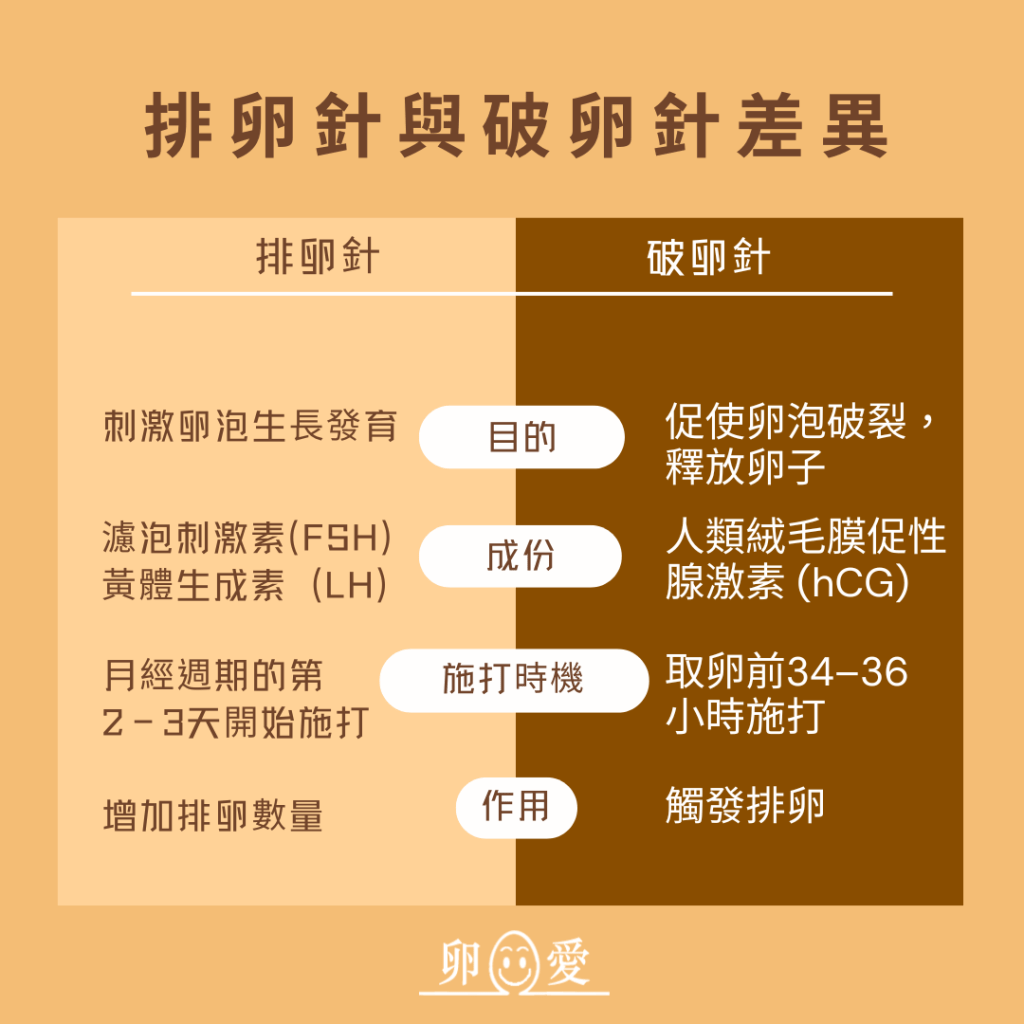
Difference Between Ovulation Injections and Trigger Shots
Many people often confuse ovulation injections with trigger shots. The table below clearly explains the differences between the two:
| Category | Ovulation Injection | Trigger Shot |
|---|---|---|
| Purpose | Stimulates the growth and development of ovarian follicles. | Causes mature follicles to rupture and release eggs. |
| Main Ingredient | Primarily Follicle-Stimulating Hormone (FSH); some formulations also contain Luteinizing Hormone (LH). | Mainly Human Chorionic Gonadotropin (hCG), which is structurally similar to LH. |
| Timing of Administration | Usually started on Day 2–3 of the menstrual cycle and continued for several days. | Administered 34–36 hours before egg retrieval once follicles reach optimal size. |
| Function | Stimulates multiple follicles to develop and mature simultaneously, increasing the number of eggs available. | Mimics the natural LH surge, triggering ovulation. |
In short:
Ovulation injections help follicles grow and mature, while the trigger shot helps release the egg once the follicles are ready.
What Are the Side Effects of Ovulation Injections? Understanding Your Body’s Reactions
When you start ovulation injections — whether for egg donation, egg freezing, IVF, or other assisted reproductive treatments — one of the most common concerns is:
“Will there be side effects?” or “How will my body react?”
These are completely normal questions to have.
In reality, everyone’s body responds differently. Some women may feel almost no discomfort, while others might experience mild, temporary side effects.
Common Side Effects and Physical Reactions
The main ingredients in ovulation injections — Follicle-Stimulating Hormone (FSH) and Luteinizing Hormone (LH) — act directly on the ovaries to stimulate follicle growth. Therefore, most side effects are related to ovarian stimulation. Below are some of the most common reactions:
- Abdominal bloating or discomfort:
This is the most common side effect. As the ovaries enlarge due to stimulation, you may feel mild bloating or lower abdominal pressure. These symptoms are usually mild and can be relieved with rest. - Nausea or vomiting:
A small number of women may experience nausea or even vomiting due to hormonal changes. - Breast tenderness:
Similar to premenstrual symptoms, your breasts may feel more sensitive or sore during treatment. - Mood swings:
Hormonal fluctuations can also affect emotions. Some women may feel more anxious, irritable, or emotionally low. - Redness or soreness at the injection site:
Mild redness, swelling, or pain can occur where the injection was given. These symptoms typically fade on their own within a few days.
Mild to Severe: Ovarian Hyperstimulation Syndrome (OHSS)
Ovarian Hyperstimulation Syndrome (OHSS) is a more serious side effect, though it is relatively uncommon. It occurs when the ovaries are overstimulated, causing fluid to leak into the abdominal cavity. This can lead to symptoms such as abdominal bloating, fluid buildup (ascites), nausea, vomiting, and shortness of breath. In severe cases, OHSS may affect kidney function and, in rare instances, become life-threatening.
If you experience any of the following symptoms, contact your doctor immediately or return to the clinic:
- Noticeably increased abdominal bloating or pain
- Rapid weight gain (e.g., more than 1 kg in a single day)
- Severe nausea or vomiting that prevents eating or drinking
- Difficulty breathing
- Decreased urine output
Early medical attention can prevent OHSS from worsening and ensure your safety throughout the treatment process.
Unusual Reactions to Watch For
While most side effects during ovulation injection treatment are mild and predictable, a few uncommon reactions may require closer attention. Every person’s body is different, and some may experience rare but potentially serious responses that need immediate medical care.
If you experience any of the following while undergoing ovulation injections, notify your doctor right away:
- Fever:
If a fever occurs and is not related to a cold or infection, it may be a reaction to the medication. - Allergic reactions:
Stop the injections and seek medical help immediately if you develop symptoms such as skin rash, itching, or difficulty breathing. - Abnormal bleeding:
If you experience unexpected vaginal bleeding, consult your doctor for further examination.
Reminder:
Every individual’s body reacts differently to medication. During your ovulation stimulation cycle, it’s crucial to maintain close communication with your doctor and promptly report any discomfort or unusual symptoms. This allows your physician to adjust your treatment plan as needed and ensures the safety and effectiveness of your therapy.
Further Reading:What Is Ovarian Hyperstimulation Syndrome (OHSS)? How Can Egg Donors Prevent It?
What If Your Follicles Don’t Grow After Ovulation Injections?
4 Common Causes and Practical Solutions
When undergoing ovulation stimulation — whether for egg donation, IVF, egg freezing, or other assisted reproductive treatments — some women may find that their follicles are not growing as expected.
This situation is not uncommon and doesn’t necessarily mean the treatment has failed. However, it does require early detection and timely adjustments to achieve better outcomes.
There are several possible reasons for poor follicle development, often related to ovarian function, hormone levels, or medication response. Below are the four main causes and corresponding strategies to help you better understand and manage the situation:
1. Low Sensitivity to Ovulation-Stimulating Medication
Some women naturally respond weakly to ovulation-stimulating drugs, leading to slow follicle growth.
Solution: Discuss with your doctor about adjusting the dosage. Hormone levels, such as estrogen in blood or 24-hour urine samples, can be monitored to fine-tune medication and enhance response.
2. Poor Ovarian Function (Low AMH or Premature Ovarian Aging)
Low ovarian reserve or declining ovarian function can cause follicles to respond poorly, making stimulation less effective.
Solution: Conduct hormone panel testing and AMH evaluation first. If results indicate reduced ovarian reserve, focus on ovarian health support and conditioning before starting another stimulation cycle.
3. Hormonal Imbalance (e.g., High Prolactin or Thyroid Dysfunction)
Irregular hormone secretion can interfere with follicle development and slow growth.
Solution: Get a full endocrine evaluation. If imbalances are found, treat the underlying issue (such as regulating thyroid function or using bromocriptine to lower prolactin) before resuming stimulation therapy.
4. Lifestyle and Stress Factors
Irregular routines, being underweight or overweight, and chronic stress can all impact follicle response.
Solution: Maintain healthy lifestyle habits — regular sleep, balanced diet, moderate exercise, and stress reduction. You may also consider antioxidant supplements or protein support to improve your overall physical condition and optimize ovarian response.
What Should You Avoid Eating During Ovulation Injections?
Dietary Care and Important Precautions
During ovulation stimulation, your body is undergoing hormonal adjustments and active follicle growth. Many women may feel mild discomfort or worry about how their diet could affect the treatment. Whether you’re preparing for egg donation, IVF, or egg freezing, maintaining the right diet and lifestyle can not only reduce side effects but also help your body stay balanced and make the entire process smoother and more comfortable.
Practical Dietary Care Guide
1. Hydration and Electrolyte Balance
Drink 2,000–3,000 ml of water daily, complemented with coconut water or electrolyte drinks. This helps reduce bloating and water retention while supporting metabolism and hormone regulation during stimulation.
2. High-Fiber, Light Diet
Increase your intake of whole grains, vegetables, fruits, and legumes, aiming for 25–35 grams of dietary fiber per day. Fiber supports gut health and reduces hormone reabsorption.
Avoid fried foods, high-sodium dishes, sugary snacks, and refined carbs (like white bread or desserts), which can cause blood sugar spikes and worsen bloating.
3. Healthy Fats and Protein Support
Include foods rich in omega-3 fatty acids, such as salmon, sardines, flaxseeds, and walnuts, to reduce inflammation and promote healthy follicle development.
Choose high-quality protein sources like legumes, nuts, fish, and skinless poultry to support hormone production and cell repair.
4. Adequate Sleep and Rest
Get 7–9 hours of sleep each night, and incorporate gentle exercises such as walking or yoga. These activities can help relieve stress, improve circulation, and enhance overall metabolic balance.
Precautions During Ovulation Injections
1. Avoid Stimulant Foods and Drinks
- Alcohol: Completely avoid alcohol during the ovulation injection period, as it may affect hormone balance and reduce treatment effectiveness.
- Caffeine: Limit caffeine intake to prevent potential interference with ovulation and hormone regulation.
- Refined carbohydrates, processed foods, and trans fats: Reduce consumption to help stabilize insulin levels and minimize inflammation in the body.
2. Avoid Sexual Intercourse
After ovulation injections, the ovaries enlarge as the follicles grow. Sexual activity during this time can cause lower abdominal pain or discomfort, especially when multiple follicles are maturing. If you experience acute pain or noticeable discomfort, stop all activity and seek medical attention immediately.
3. Avoid Strenuous Exercise
As the ovaries increase in size during stimulation, intense physical activity such as running, squats, or core workouts may increase the risk of ovarian torsion or abdominal discomfort.
Opt instead for gentle movements such as walking, stretching, or restorative yoga, and adjust your activity level according to how your body feels.
Ovulation Injections — Quick FAQ
Q1: Are side effects from ovulation-stimulating injections common during egg donation? How can they be prevented?
Yes, experiencing mild side effects after ovulation injections is quite common during egg donation. Since the medication’s goal is to stimulate the ovaries to develop multiple follicles at once, some women may experience bloating, mild abdominal discomfort, dizziness, nausea, redness or swelling at the injection site, or mood changes. These are generally mild and temporary, usually resolving a few days after egg retrieval.
However, if the ovaries over-respond — producing too many follicles — this may lead to Ovarian Hyperstimulation Syndrome (OHSS), a more serious reaction characterized by severe bloating, swelling, rapid weight gain, or shortness of breath.
To reduce the risk of side effects:
- Follow your doctor’s instructions carefully and take injections on schedule.
- Attend all monitoring appointments to track follicle growth.
- Maintain a light, low-sodium diet, stay hydrated (2,000–3,000 ml per day), and avoid strenuous exercise.
If you experience acute abdominal pain or significant swelling, contact your doctor immediately. With proper monitoring and cooperation, most side effects can be effectively prevented and managed.
Q2: Do ovulation injections hurt?
Most ovulation injections are subcutaneous (under the skin), such as Gonal-F or Elonva. The sensation is often described as a mild mosquito bite — quick and tolerable. The pain is minimal, and many women learn to self-administer after initial guidance. If you’re nervous at first, nurses can demonstrate and assist you during the early stages.
Q3: Is ovulation stimulation necessary for egg donation?
Yes. Ovulation-stimulating injections are the core of the egg donation process. The purpose is to encourage the ovaries to mature multiple follicles simultaneously, so several mature eggs can be retrieved at once. The dosage and duration of injections are personalized by your doctor based on your individual health and ovarian response.
Further Reading:
👉 Why does ovulation pain occur? How is it different from the discomfort caused by ovulation-stimulating injections during egg donation?
