

For women who wish to conceive but are unable to ovulate naturally due to diminished ovarian function, premature ovarian failure, or other medical factors, egg donation (donor eggs) has become an important option to fulfill the dream of motherhood. But how successful is egg donation? What details should you pay special attention to during the process?
This article explains the key factors that affect the success rate of egg donation and the important precautions you should know to help you prepare well and increase your chances of success.
Is the success rate of egg donation high? What factors influence it?
For many women considering egg donation, the success rate is often their biggest concern. However, it’s important to understand that the success rate is not a fixed percentage—it’s influenced by many complex and interrelated factors. Presenting a single number can be misleading and create unrealistic expectations.
Therefore, understanding the key factors that affect the success rate of egg donation allows you to plan your treatment more realistically and improve your chances of achieving a successful pregnancy.
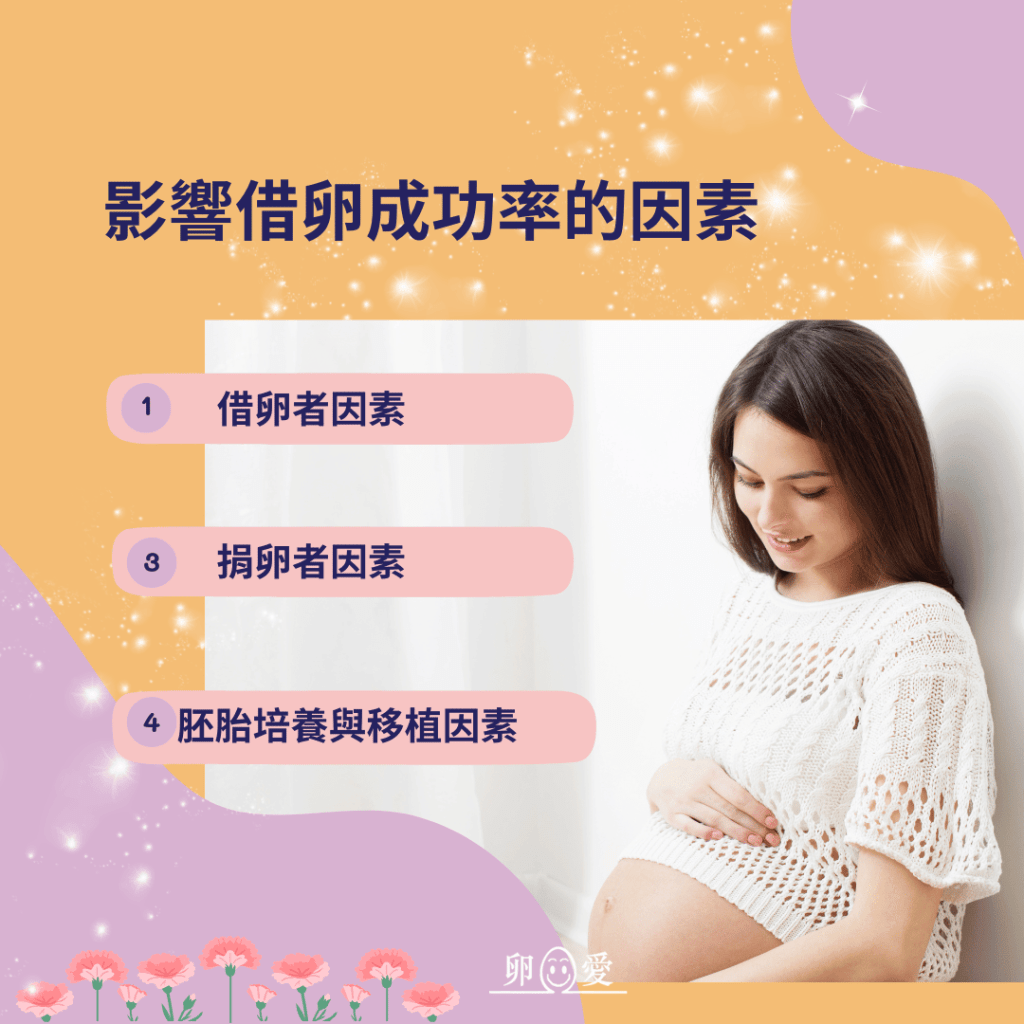
Recipient Factors:
Age:
Age plays a crucial role in determining uterine receptivity. As women age, ovarian function gradually declines, and the uterine lining (endometrium) may become thinner or less optimal for implantation. Younger recipients generally have a healthier uterine environment, which increases the chances of successful embryo implantation.
Uterine Health:
Conditions such as endometriosis, uterine fibroids, or intrauterine adhesions can negatively affect implantation. A thorough pre-treatment uterine evaluation—such as hysteroscopy—is essential to assess uterine health and help the doctor develop an appropriate treatment plan.
Lifestyle Habits:
Unhealthy habits such as smoking, drinking, and lack of sleep can disrupt hormonal balance and weaken the immune system, reducing implantation success. Maintaining a balanced diet, regular sleep schedule, and moderate exercise can significantly improve donor-egg IVF outcomes.
Body Mass Index (BMI):
Being underweight or overweight may interfere with hormonal balance and endometrial thickness, reducing the chance of success. Maintaining a healthy BMI helps create the best conditions for pregnancy.
Medical History:
A history of miscarriage, endometriosis treatment, or other reproductive issues can influence success rates. It’s important to provide your doctor with a complete medical history during consultation for accurate evaluation and planning.
Donor Factors:
Egg Quality:
The quality of the donor’s eggs—including quantity, maturity, and chromosomal integrity—directly affects embryo quality and implantation rate.
Donor Health:
The donor’s general health, including infectious or genetic diseases, impacts egg quality and embryo development. A strict medical screening process ensures that only healthy, high-quality eggs are used.
Embryo Culture and Transfer Factors:
Embryo Quality:
Not all embryos develop equally after fertilization. Selecting the highest-quality embryos for transfer significantly improves the chances of pregnancy.
Embryo Transfer Technique:
The timing and method of embryo transfer are critical. An experienced embryologist and fertility specialist can greatly improve implantation success through precise technique.
Laboratory Conditions:
Embryo development depends heavily on the lab environment, including temperature, humidity, and culture medium quality. Advanced laboratory facilities with strict quality control are essential for successful embryo growth and implantation.
Do I Need Egg Donation?
Egg donation is an assisted reproductive technology designed for women whose ovarian function is limited but who still wish to conceive. While requirements may vary by country or clinic, most recipients need to meet the following general conditions:
- Ovarian Function Decline:
Such as premature ovarian failure (POI), ovarian insufficiency, or surgical removal of ovaries. - Repeated IVF Failure:
Multiple failed IVF cycles caused by poor egg quality or chromosomal abnormalities. - Advanced Maternal Age:
Women over 35 experience reduced egg quality, and those over 40 find it increasingly difficult to produce healthy eggs. - Genetic Conditions:
Carriers of hereditary diseases may opt for donor eggs to avoid passing on genetic disorders. - Healthy Uterus:
The recipient must have a healthy uterus capable of sustaining pregnancy.
If you meet any of the above criteria, it’s recommended to consult a fertility specialist to evaluate whether egg donation is suitable for your condition.
You can also seek help from licensed donor agencies to find high-quality egg donors, ensuring embryo health and improving your chances of a successful pregnancy.
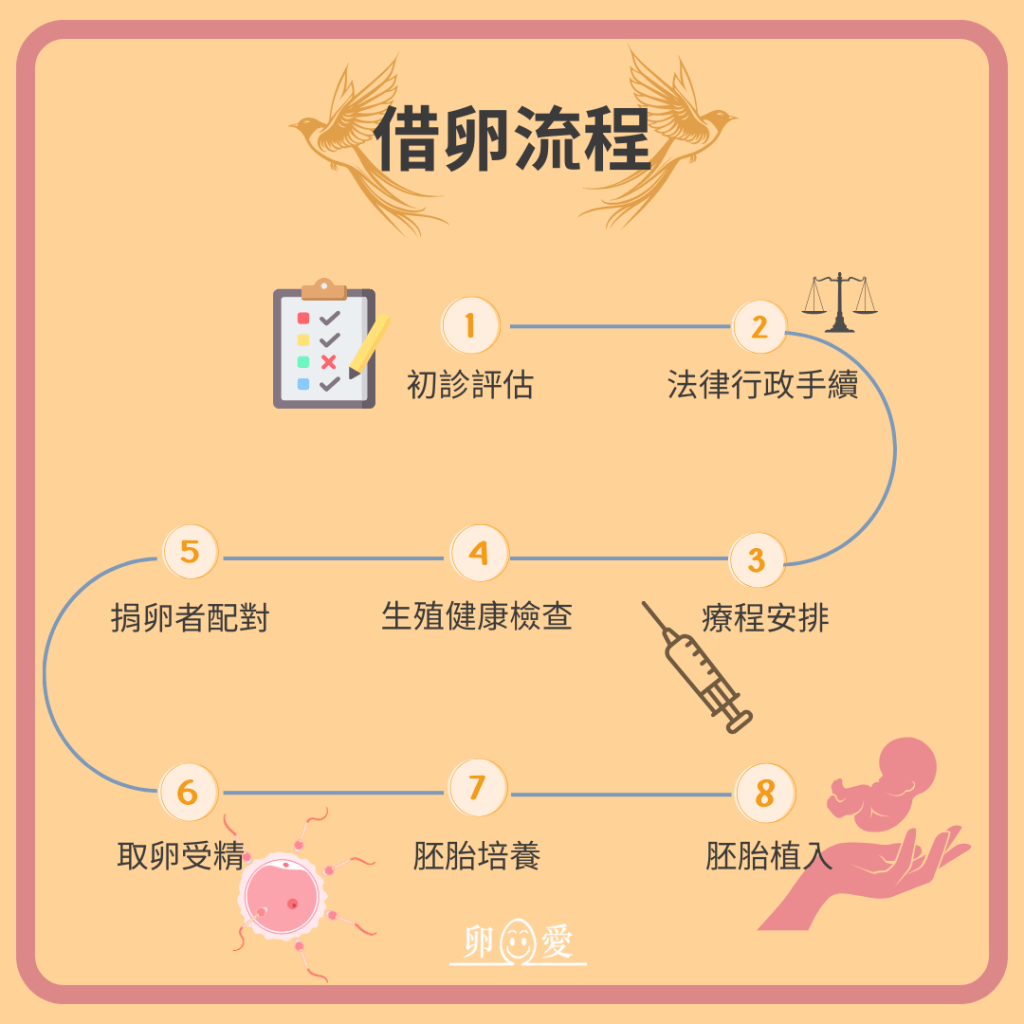
For Those Who Meet the Criteria for Egg Donation:
A Complete Step-by-Step Guide to the Egg Donation Process — Helping You Welcome New Life with Confidence!
Egg Donation Process: Full 9-Step Breakdown
Step 1: Initial Consultation and Assessment
Meet with a reproductive specialist for an initial consultation to evaluate your overall reproductive health, including uterine condition, hormone levels, and fertility potential.
The doctor will explain the egg donation process, potential success rates, associated risks, and costs, then determine whether you’re a suitable candidate for the procedure.
Step 2: Legal and Administrative Procedures
Since egg donation involves legal and ethical regulations, you’ll need to complete administrative steps such as signing a consent form for assisted reproduction and an egg donation agreement.
In some countries, couples must submit related documents for government approval, especially if local laws require a specific kinship verification process.
Step 3: Donor Screening and Matching
The fertility clinic will help select a suitable egg donor, evaluating factors such as age, health, and genetic background.
- If using frozen eggs, you can proceed directly to the next stage.
- If using fresh eggs, the recipient’s cycle must be synchronized with the donor’s.
Step 4: Health Check and Fertility Evaluation
You’ll undergo comprehensive testing, including:
- Hormone assessments
- Endometrial thickness measurement
- Blood tests for HIV, syphilis, hepatitis, and other conditions
- Immune function evaluation
These tests ensure your uterus is ready for implantation and help minimize complications.
Step 5: Uterine Preparation and Treatment Plan
Once the donor eggs are confirmed, the recipient begins estrogen and progesterone therapy to prepare the uterine lining for embryo implantation.
This stage typically lasts 2–3 weeks, during which the doctor monitors endometrial thickness via ultrasound to determine the optimal time for embryo transfer.
Step 6: Egg Retrieval, Sperm Preparation, and Fertilization
After the donor completes ovarian stimulation and egg retrieval, the recipient’s partner (or sperm donor) provides a sperm sample.
The sperm is processed and combined with the eggs through In Vitro Fertilization (IVF) or Intracytoplasmic Sperm Injection (ICSI) to create embryos.
Step 7: Embryo Culture and Genetic Screening (Optional)
Fertilized embryos are cultured in the lab for 3–5 days.
The medical team evaluates embryo quality, and some couples may choose Preimplantation Genetic Testing for Aneuploidy (PGT-A) to enhance success rates and reduce the risk of genetic abnormalities.
Step 8: Embryo Transfer and Pregnancy Testing
When the uterine lining is optimal, the best-quality embryo(s) are transferred into the uterus.
About 10–14 days after transfer, the recipient returns for a pregnancy test to confirm implantation success.
Step 9: Prenatal Checkups and Follow-Up
If pregnancy is confirmed, regular prenatal visits and ultrasounds are scheduled to ensure healthy fetal development.
The medical team provides guidance on pregnancy care and nutrition, closely monitoring your condition for a safe and healthy pregnancy.
⏳ Duration of the Entire Process
The complete egg donation process usually takes 3–6 months, depending on medical and logistical factors.
Throughout each stage, your medical team will offer professional guidance and emotional support to ensure a smooth journey.
Staying in close communication with your doctor, reporting any physical or emotional changes, and maintaining a positive mindset can help adjust the treatment plan in time and significantly improve your success rate.
Is Egg Donation Expensive?
The cost of an egg donation (donor-egg IVF) cycle can vary significantly, depending on multiple factors such as the source of the eggs, the fertility clinic, medication use, and individual medical needs.
The largest portion of the cost usually comes from egg donation compensation. Factors such as the donor’s age, health, and egg quality can influence the price. In addition, IVF-related expenses—including ovulation stimulation medication, uterine preparation, embryo culture, egg retrieval, and embryo transfer procedures—also account for a major share of the total cost.
If you choose frozen donor eggs, there will be freezing and thawing fees. Using fresh donor eggs, on the other hand, requires synchronizing cycles with the donor, which may affect both time and cost.
Moreover, if you opt for Preimplantation Genetic Testing for Aneuploidies (PGT-A) to increase pregnancy chances and reduce the risk of genetic abnormalities, the overall expense will be higher.
Extended Knowledge: What Is PGS (Now Known as PGT-A)?
As women age, egg quality tends to decline. Even when embryos are successfully created, there’s a higher chance of chromosomal abnormalities, which can lead to implantation failure or miscarriage.
That’s why many women over the age of 35, even after undergoing IVF, still face challenges achieving pregnancy.
Through PGS (Preimplantation Genetic Screening)—now officially called PGT-A (Preimplantation Genetic Testing for Aneuploidies)—chromosomally normal embryos can be identified before implantation.
This technique helps:
- Reduce the risk of chromosomal abnormalities caused by age or genetics
- Improve implantation and pregnancy success rates
- Lower the risk of miscarriage
PGT-A involves analyzing the number of chromosomes in embryos before transfer—commonly referred to as the “third-generation IVF” method—to select the healthiest embryos for implantation and maximize IVF success rates.
Is the Success Rate of Egg Donation High?
Egg quality is one of the most critical factors influencing the success of egg donation. Selecting high-quality eggs is essential for improving fertilization rates, embryo quality, and implantation potential.
Below are key criteria used when evaluating egg donors:
Egg Donor Requirements
- Age: Typically between 20–32 years old, when egg quality is at its peak, ensuring higher pregnancy success.
- Good Health: No major illnesses or hereditary diseases; a healthy medical background ensures embryo viability.
- Strong Ovarian Function: AMH levels (Anti-Müllerian Hormone) must meet clinical standards to guarantee an adequate number of mature eggs.
- Free from Infectious Diseases: Must test negative for HIV, syphilis, hepatitis B and C, etc., to ensure safety for both the recipient and baby.
- Healthy Lifestyle: No substance abuse, heavy drinking, or chronic sleep deprivation; no long-term use of medications that affect fertility.
- Psychological Readiness: Must undergo psychological evaluation to ensure understanding of the donation process and willingness to proceed.
- Legal Compliance: Must meet local legal requirements; some regions require anonymous donation and signed consent forms to ensure full ethical and legal compliance.
Further reading: Is the success rate of in vitro fertilization high? Is it necessary to donate eggs?

Egg Donation – Frequently Asked Questions (FAQ)
Can the recipient see what the egg donor looks like?
In Taiwan, according to the Artificial Reproduction Act, all egg donations must be conducted under a strict anonymity system.
This means the recipient cannot access any identifying information about the donor — including appearance, name, or personal background — and no contact between the donor and recipient is permitted.
Additionally, Taiwan requires a kinship screening within four degrees of relation to ensure that the donor and recipient are not close relatives, safeguarding the genetic health of future offspring.
In contrast, in the United States, egg donation programs are more flexible. Recipients can usually access basic donor information, such as education, medical history, ethnicity, and sometimes even photos or family background details, allowing intended parents to choose a donor that better fits their preferences and expectations.
Are there risks associated with egg donation (donor-egg IVF)?
While egg donation significantly increases the chances of pregnancy, it still carries certain risks, such as:
- Embryo implantation failure
- Immune rejection or pregnancy complications
- For older mothers, potential risks like gestational hypertension, diabetes, or preterm birth
Emotional and psychological adjustment is also important — some women may experience stress or anxiety related to the donor-egg process.
It is recommended to communicate openly with your partner and, if necessary, seek counseling or emotional support before starting treatment.
🌸Global Egg Donor
offers access to a wide network of international egg donors.
If you’re considering pursuing egg donation in the United States or other legally recognized countries, you’re welcome to get one-on-one assistance from a professional consultant.

