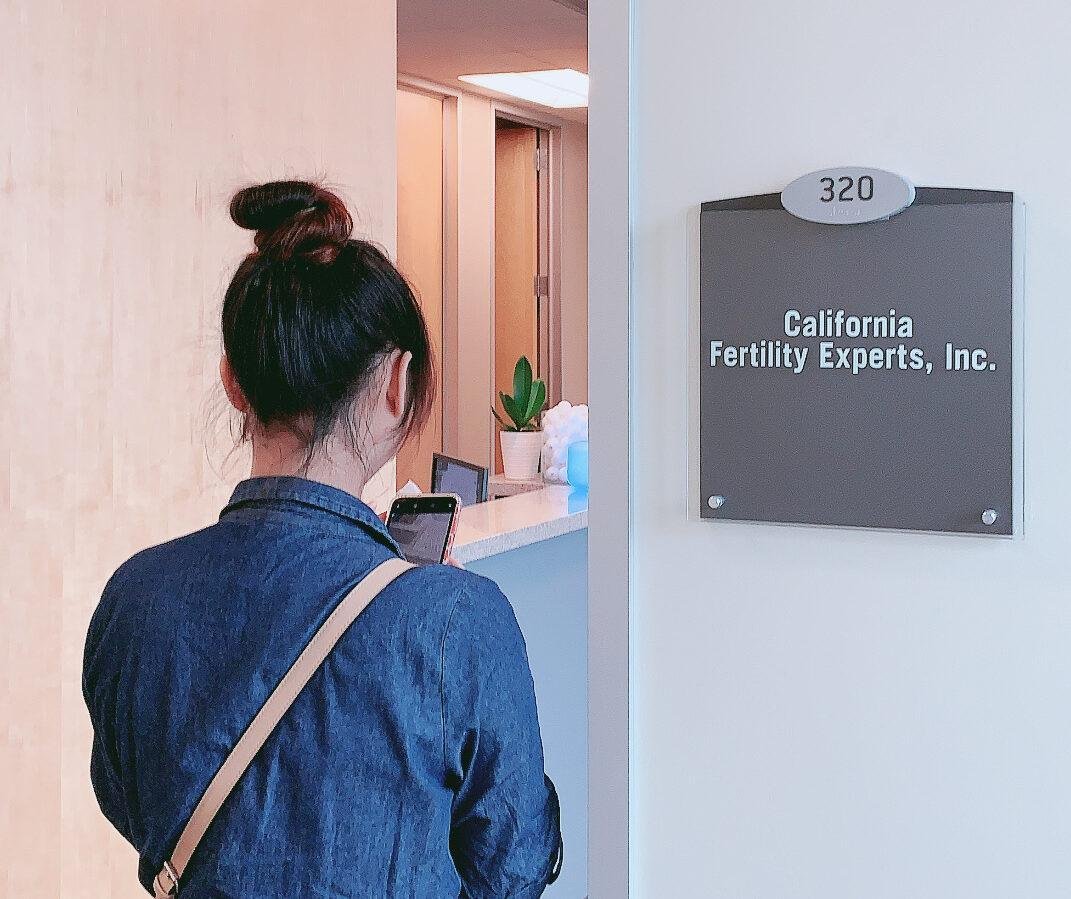
Egg donation is a heartfelt act of helping others. For women who dream of becoming mothers, receiving an egg donation can carry deep meaning and value. In the United States, egg donation is quite common—many women choose to donate their eggs to help others achieve their goal of starting a family.
So, what exactly is the egg donation process like? What should you know before getting started? Today, I’d like to share my personal experience as an egg donor in the U.S., hoping it can provide insight and encouragement for women who are considering this meaningful journey.

First and foremost, as an egg donor, it’s crucial to maintain both physical and mental well-being. The egg donation process involves several medical tests and screenings—such as blood tests and ultrasound examinations—to ensure overall health and egg quality. These procedures are necessary but relatively simple.
Since U.S. egg donation centers don’t always have partner clinics worldwide, donors may need to complete these tests at a nearby OB-GYN or laboratory and pay the fees upfront. After the egg retrieval, the agency will reimburse these expenses along with the compensation through an international transfer to the donor’s foreign currency account in Taiwan.
On a mental level, it’s important to fully understand and accept the purpose and process of egg donation. It should never be viewed as a transaction or commercial exchange, but rather as an act of kindness and empathy. During the process, some donors may experience mild side effects or complications such as abdominal discomfort, minor bleeding, or bloating—so being well-prepared and following medical guidance is essential.
Secondly, the compensation for egg donation is another important aspect to consider. In the United States, egg donors typically receive between $5,000 and $15,000 USD per cycle. In my case, I received $8,000 USD as the main compensation, plus an additional $800 for meals, with airfare fully reimbursed and accommodation arranged by the agency.
The exact amount can vary depending on the clinic, location, and individual donor profile. Some clinics may also offer extra allowances such as transportation reimbursement, meal stipends, or even small leisure allowances during the stay.
Having a clear understanding of the compensation structure and your entitlements is important—it not only helps you manage expectations but also ensures you recognize the value of your time, effort, and generosity throughout the process.

Thirdly, confidentiality and protection are essential throughout the egg donation process. Donors are required to sign an agreement with the clinic or agency to ensure that their personal identity and related information remain strictly confidential. Likewise, all donated eggs are carefully handled and safeguarded to prevent any form of misuse or unauthorized application. Protecting your privacy and legal rights is one of the most important responsibilities you have as a donor.
Lastly, egg donation brings profound meaning and value—not only to the recipients but also to the donors themselves. By donating eggs, we help others fulfill their dream of becoming parents, which can bring an incredible sense of accomplishment and emotional satisfaction. Some donors even notice positive effects on their own well-being, such as improved ovarian awareness or reduced menstrual discomfort.
For women considering egg donation, I strongly encourage you to learn as much as possible about the process, risks, and legal details, and to proceed through reputable, licensed agencies. Done with understanding and care, egg donation can be one of the most meaningful decisions of your life.
Conclusion
In summary, egg donation in the United States is a common and fully legal process—but it also requires the right mindset and awareness of your rights. Although there may be some minor side effects or risks involved, many women still choose to become egg donors to help others achieve their dream of parenthood. This shows that egg donation is a deeply meaningful and respectable act.
If you’re considering becoming an egg donor, I recommend reaching out to LuanLove, a professional and experienced egg donation agency. Their team provides clear, honest guidance and will help you understand your situation and the entire process step by step.
- The Egg Donation Process in the U.S.: Medical Screening, Upfront Costs, Personal Experience, and Side Effects
- How Many Eggs Does a Woman Produce in Her Lifetime?
Egg Donation vs. Egg Freezing — What’s the Difference and Are There Any Risks? - The U.S. Egg Donation Experience:
Medical Checkups, Expense Reimbursement, and What to Expect Physically and Emotionally - Legal U.S. Egg Donation Agency
Your Trusted Overseas Egg Donation Partner: Step-by-Step Guidance, Eligibility Requirements, and a Mission to Share Love Across Borders
Apply Now>>
IG :https://www.instagram.com/useggdonation/
FB: https://www.facebook.com/useggdonation/
Line OA